04/09/26
Best of the West: Workforce housing in mountain towns; Colorado passenger rail; Montana manufacturing; Robotic sage grouse; and growing potatoes on the moon
.png)
The Western Governors' Association keeps you updated on the latest news in the West. Here are the top stories for the week starting April 6, 2026. (Photos courtesy of Adobe Stock Images, Chuck Choi & Peter Rose + Partners, the Office of Colorado Governor Jared Polis, and the Office of Montana Governor Greg Gianforte).
2025 was another busy year for outdoor recreation and tourism on and near the West’s world-class landscapes. While national park visitation dipped slightly below record-breaking 2024 numbers, western parks still saw historically high numbers of visitors.
Of the 10 most visited national parks in the country, 9 were in the West last year, drawing tens of millions of visitors to the region.
New data from the Bureau of Economic Analysis also showed strong growth in the outdoor recreation economy, with many western states growing their economies through outdoor recreation at higher rates than the national average.
As visitors and new residents continue to flock to popular mountain towns and scenic resorts, local communities are grappling with ways to maintain stable housing for their local workforce.
Many towns around the region are implementing creative and effective solutions to help employees live in the places they work.
In Breckenridge, Colorado, where the average listing price of a home is $1.85 million, the town is taking steps to help its workers stay in the area. For example, people who work at least 30 hours a week in town can be eligible for deed-restricted housing that can help significantly lower home prices. Another local program pays homebuyers as much as 15-25% of their purchase price in return for deed restrictions on the property that ensure it is used for local workforce housing.
Strategies like these have helped Breckenridge maintain about three quarters of its full-time housing (excluding vacation homes and Airbnbs) for the local workforce.
Other strategies follow a model being implemented in Jackson, Wyoming, one of the priciest housing markets in the country. Attainable housing plans there include the Loop Apartments, which will be comprised of 185 workforce housing units in a six-story modular apartment building. The building was largely manufactured off-site in Alpine, Wyoming, before being assembled in Jackson, which cuts the cost and timeline of construction considerably.
Another modular build in Jackson is being built by the state’s Fish and Game Department to help keep their employees in town. Their Jackson project was assembled in Idaho, and it saved the agency $5 million compared to traditional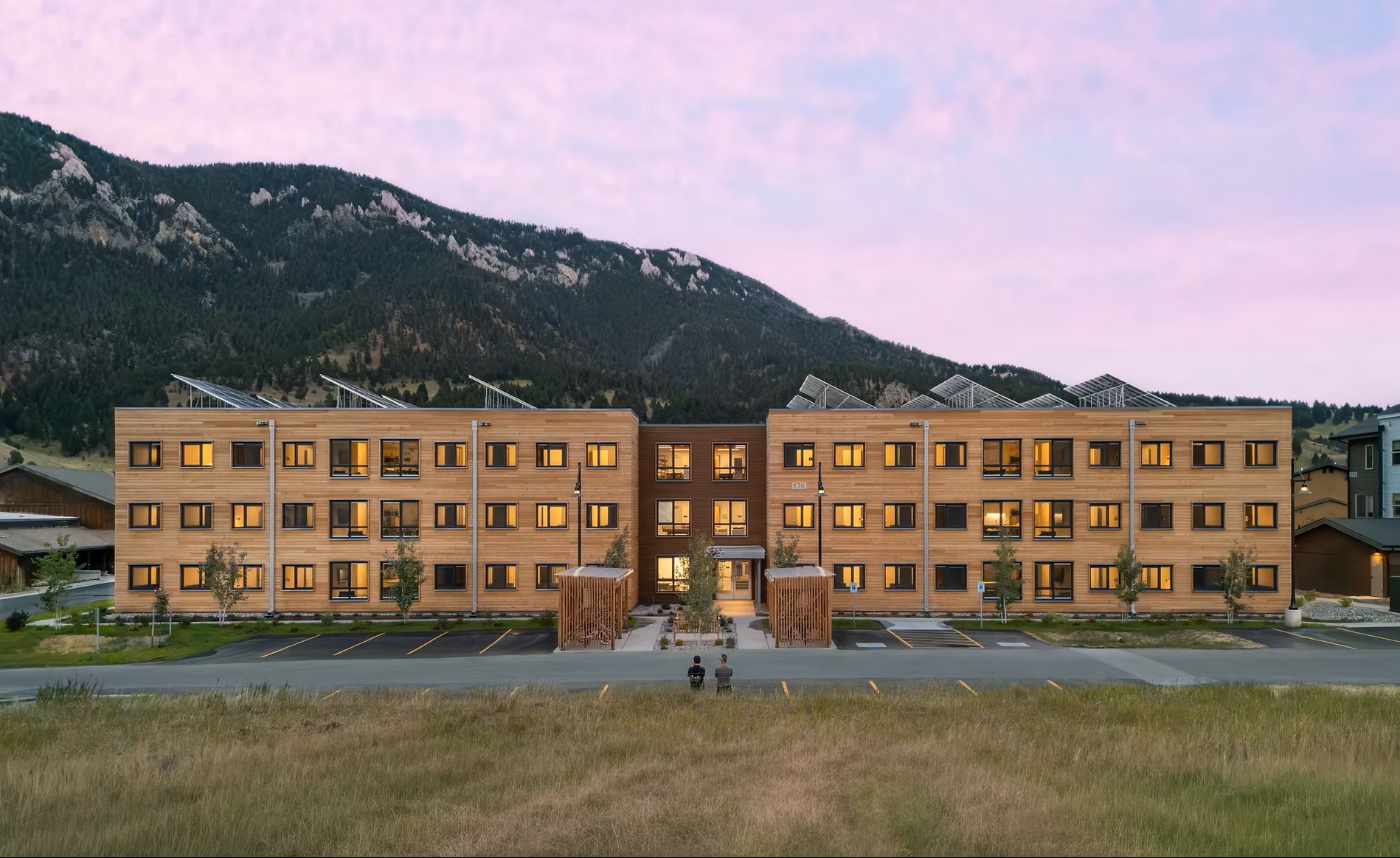 construction.
Similar modular workforce housing projects are popping up across the West’s popular mountain towns, including Big Sky, Montana, where one of the country’s first large-scale mass timber buildings was constructed in just 11 months and houses nearly 100 local employees. The building features beautifully designed timber interiors and exteriors, originally popularized in Europe.
Another technique to construct affordable workforce housing relies on small parcels of state or federal land to build houses. A deal in Colorado’s Summit County will have the Forest Service lease land near some of its existing infrastructure to build three buildings with about 160 rental units for local workers and Forest Service employees. A similar plan has been proposed for Jackson, where a nonprofit housing developer has an agreement with the Forest Service to build 36 affordable units on the eastern edge of town.
For more on housing in the West, read the BRAND West report from New Mexico Governor Michelle Lujan Grisham’s term as WGA Chair last year.
CO passenger rail: in Colorado, residents recently landed on a new name for the state’s future passenger rail line running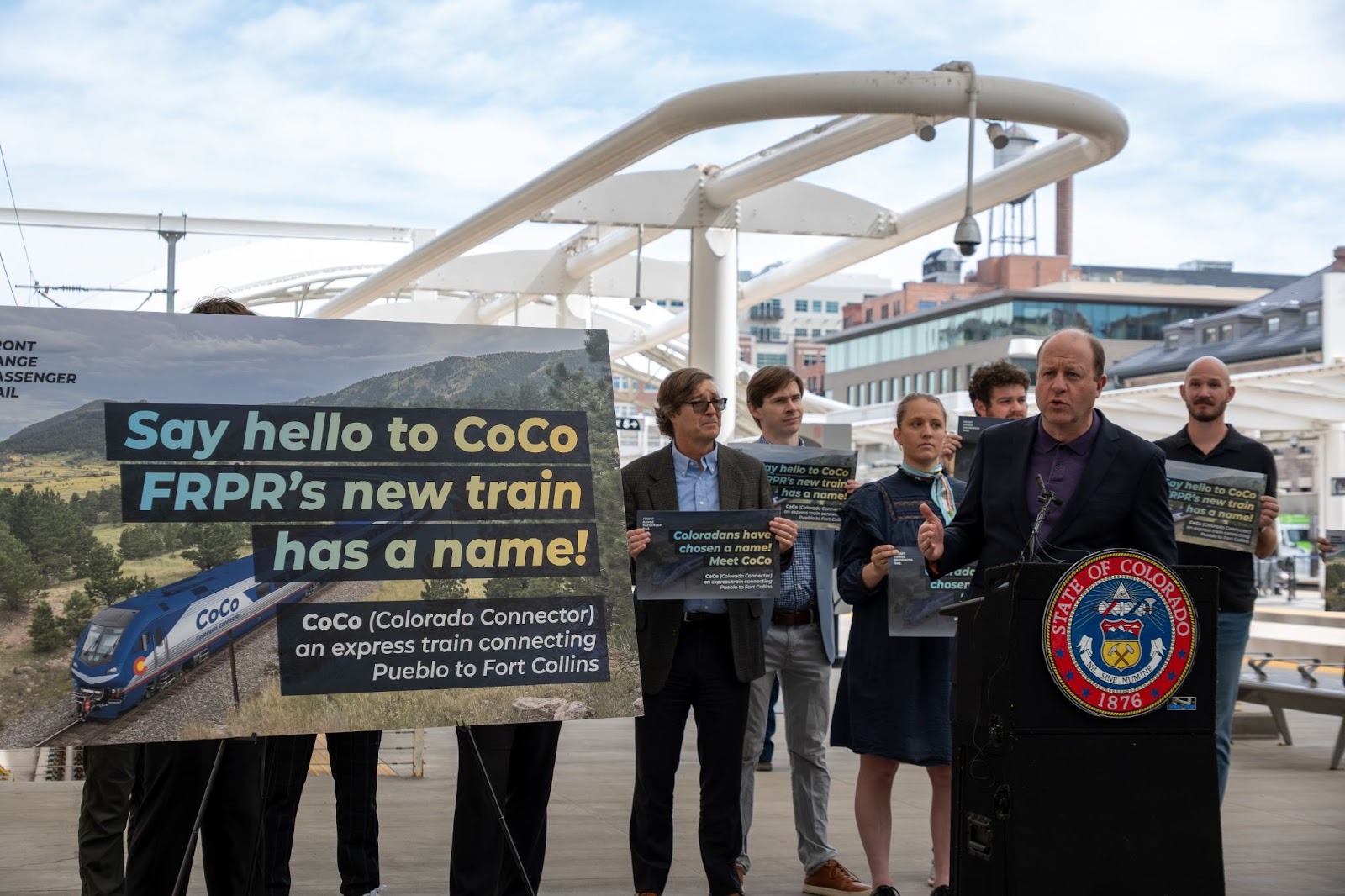 along the Front Range from Pueblo to Fort Collins. Nearly 26,000 Coloradans voted on the new name, with Colorado Connector, or “CoCo” edging out other names like Front Range Express Destinations (FRED).
CoCo will connect the state’s biggest population centers beginning in 2029.
“The Colorado Connector reflects exactly what this train is about: bringing communities together and creating a faster, cleaner and more convenient way to travel across our state,” said Governor Jared Polis. “Nearly 26,000 Coloradans stepped up to help name this train, and that level of participation shows just how excited people are about finally delivering modern passenger rail along the Front Range.”
Manufacturing in Montana: this week, Montana Governor Greg Gianforte joined Lattice Materials for the groundbreaking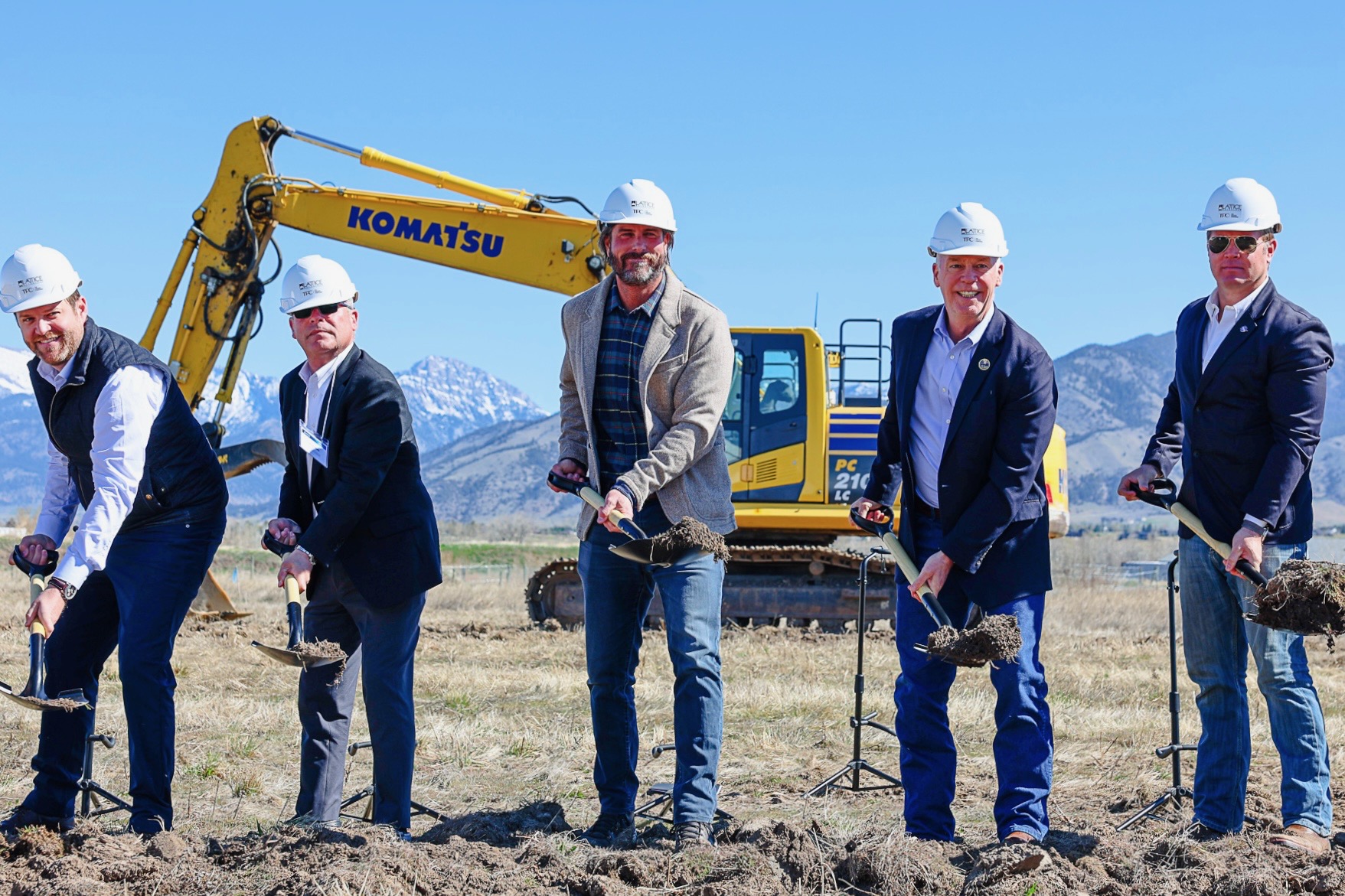 of its new 80,000-square-foot advanced manufacturing facility in Bozeman.
Lattice Materials, founded in Bozeman in 1989, produces germanium and silicon parts that are crucial to advanced technologies used in semiconductor, defense, and medical applications. The company was awarded an $18.5 million grant from the Department of Defense to build the plant, which will generate 50 high-paying jobs in the area.
“For over 40 years, Lattice Materials has manufactured germanium and silicon critical for the semiconductor industry right here in Montana,” Governor Gianforte said. “This expansion and latest investment showcase the Treasure State as a growing hub for advanced manufacturing on the national stage. Montana is proud to be home to companies like Lattice Materials that create good-paying jobs and reduce our dependance on foreign nations for critical minerals.”
Robo-grouse saves birds: in Jackson, Wyoming, students, biologists, and wildlife managers are teaming up on an inventive strategy to establish a new breeding ground for sage grouse a safe distance from Jackson Hole Airport.
For years, sage grouse have habitually mated at the Jackson Hole Airport lek – one of the largest in the area – though expansion of the airport has interrupted their habitat, and birds have even been struck by planes.
To draw grouse to a safe new breeding ground south of the airport, experts and high school students are building mechanical grouse decoys that perform mating dances and calls. Every morning during the mating season, the decoys turn and raise their wings to the sound of their mating call, hoping to drive other birds into the area and establish a new breeding ground.
Potatoes on the moon: does NASA’s lunar mission this week have you wondering what astronauts might eat when humans eventually return to the moon’s surface? In the style of Matt Damon in The Martian, Oregon State University researchers are helping answer part of that question with a new paper that outlines how potatoes could be grown in rocky moon dirt.
The researchers mimicked the soil on the moon’s surface – known as lunar regolith – to show that certain varieties of potatoes could grow, particularly with help from a small amount of compost. While potatoes grown in pure lunar regolith were severely stunted, adding just 5% compost helped grow potatoes with similar overall nutrition to typical potatoes.