07/16/26
Best of the West: Unlocking the western grid; AK critical minerals; Plugging orphaned oil wells; Boosting teacher pay; and celebrating CO’s River Otters
_2.png)
The Western Governors' Association keeps you updated on the latest news in the West. Here are the top stories for the week starting July 13, 2026. (Photos courtesy of Adobe Stock Images, the Office of Hawaiʻi Governor Josh Green, and the Office of Colorado Governor Jared Polis).
It’s no secret that American energy demand is surging and energy producers are racing to keep up. What’s less apparent – but at least as important – is the race to build out a transmission system that’s capable of handling increasing amounts of energy.
Transmission capability in the US is already lagging behind, with much of the existing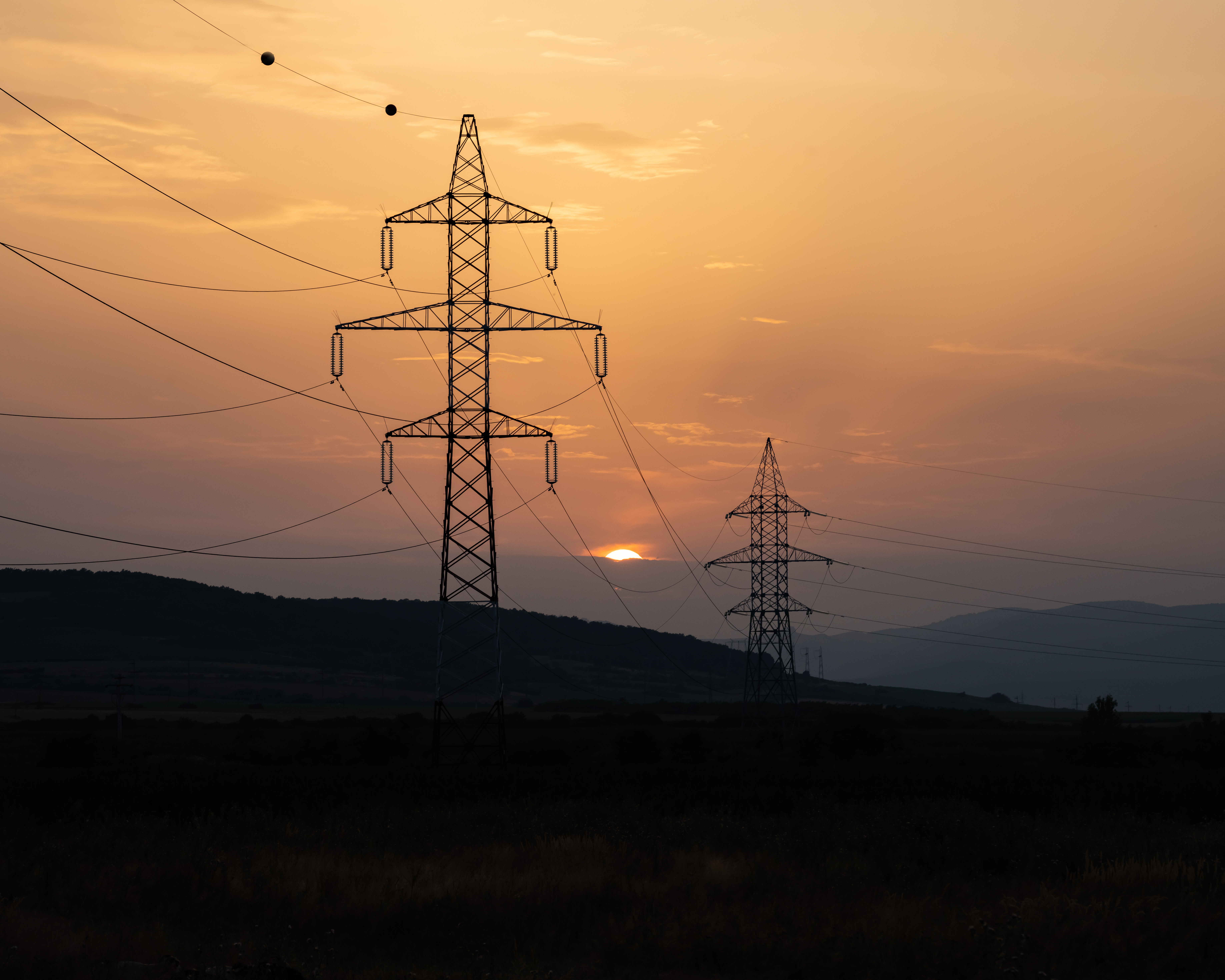 infrastructure built for a different era. As energy consumption and production ramp up, the gap between how much power the grid is capable of moving, and how much needs to get moved, only widens.
Making things particularly difficult is the complexity of building new transmission infrastructure. Linear transmission lines must cross difficult terrain – especially in the West – while also navigating permitting and siting challenges on a patchwork of public and private lands, different jurisdictions, unique communities, habitats, environments, and countless other factors.
Regional grid operators are also responsible for evaluating new connections, which has resulted in a historic backlog of energy projects waiting to connect to the grid. At some points, the amount of power waiting to connect to the grid is more than twice the nation’s entire installed generating capacity.
In a bipartisan effort to ease these transmission bottlenecks and get power flowing, the Governors of 11 western states signed onto an agreement at WGA’s Annual Meeting earlier this month that aims to modernize and expand transmission.
The Joint Statement of Agreement For a Stronger, More Connected Western Grid was signed by Utah Governor Spencer Cox, Colorado Governor Jared Polis, Wyoming Governor Mark Gordon, Nevada Governor Joe Lombardo, Idaho Governor Brad Little, Oregon Governor Tina Kotek, Montana Governor Greg Gianforte, North Dakota Governor Kelly Armstrong, Arizona Governor Katie Hobbs, New Mexico Governor Michelle Lujan Grisham, and Washington Governor Bob Ferguson.
The agreement endorses the Western Transmission Expansion Coalition (WestTEC) and its roadmap for expanding transmission infrastructure across the western United States. It also creates the Transmission Permitting Alignment and Coordination Task Force (PACT), which will provide Governors and participating tribal governments with a mechanism to jointly accelerate transmission permitting, resolve cross-jurisdictional challenges, and elevate regional transmission priorities.
The bipartisan agreement was born out of Governor Cox’s WGA Chair initiative, Energy Superabundance: Unlocking Prosperity in the West, which includes extensive federal policy recommendations for improving and modernizing the nation’s transmission system.
“We often talk about energy and energy production,” said Governor Cox. “It’s of course paramount to everything that we need to do as a country moving forward, but that energy production and generation really doesn’t matter if we can’t move those electrons across the grid.”
In other recent transmission news, the Department of Energy released its 2026 National Transmission Needs Study last week for a 60-day public comment period.
The study identified a pressing need for more transmission infrastructure to handle load growth, and it called out interregional transmission for its reliability, resiliency, and ability to meet demand growth in at risk areas.
AK critical minerals: The National Science Foundation recently selected the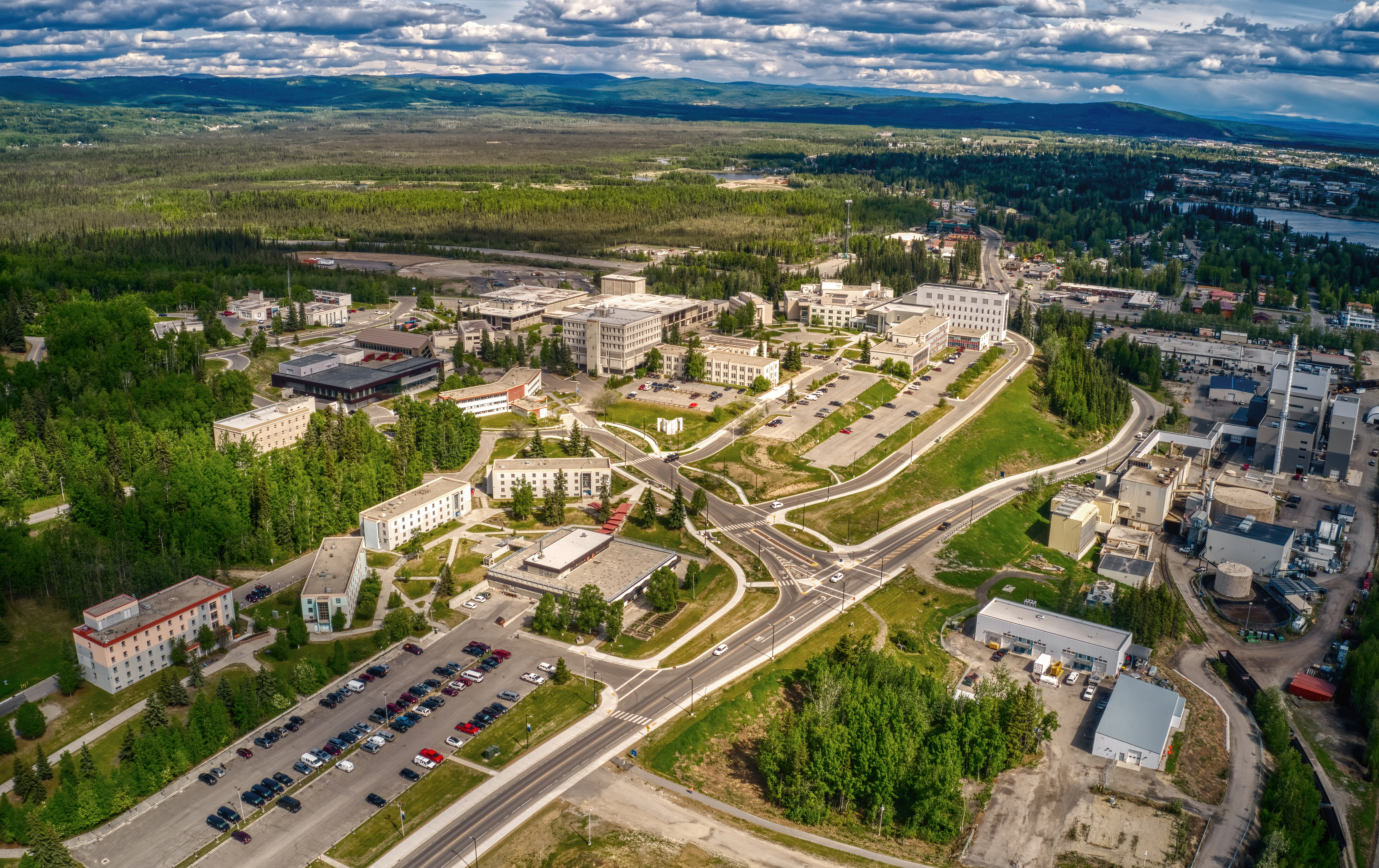 University of Alaska Fairbanks to house a new critical minerals research program. The program, which will be backed by up to $160 million over 10 years, will work with private sector partners, nonprofits, native organizations, and other universities to put new research to use in the critical minerals industry.
Alaska is home to 56 of the 60 “critical minerals” and the new program will help analyze supply needs, workforce development, and other factors to bring these minerals to the market.
Alaska’s program follows a series of efforts to boost the industry, including the groundbreaking of a new critical minerals testbed at the University of Utah earlier this year.
Cleaning up abandoned wells: in just the past year, the state of New Mexico plugged a total of 114 orphaned oil and gas wells. Orphaned wells refer to retired oil and gas wells that no longer have an owner capable of remediating them. These wells, which can sometimes cost millions to plug, can leak toxic chemicals into groundwater and soil, and release methane into the atmosphere.
Through the efforts of the New Mexico Oil Conservation Division, the state has stopped 517,000 kilograms of methane from leaking into the atmosphere every year, roughly the equivalent of 37 million miles of passenger vehicle travel.
For more on strategies for managing orphaned wells, listen to a WGA podcast about repurposing abandoned wells for geothermal power generation.
B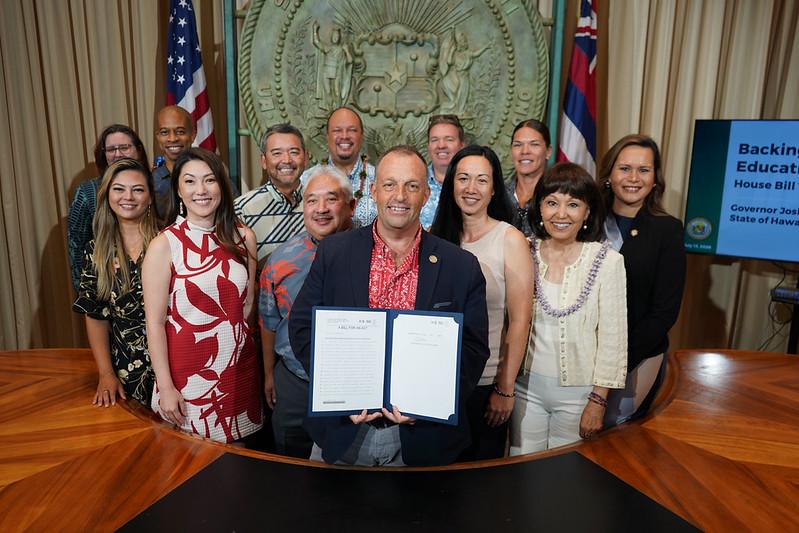 oosting teacher pay: earlier this week, Hawaiʻi Governor Josh Green signed a handful of bills designed to raise teachers’ salaries and protect educators from harassment.
House Bill 1890 addresses comparably low wages among teachers in Hawaiʻi and guarantees annual salary raises for public school and charter school educators. Another bill strengthens anti-harassment protections for teachers.
“If we want strong schools for our keiki, we have to support the people who make those schools work every day,” said Governor Green. “Our teachers and educational workers dedicate their careers to helping our children learn, grow, and succeed. The bills we have enacted today will help educators, students, and families statewide.”
Colorado River Otter: 2026 is not only the country’s 250th anniversary and Colorado’s 150th, but it’s also the 50th anniversary of the successful reintroduction of the River Otter in Colorado. .png)
Starting in 1976, the state began reintroducing more than 100 otters into Cheesman Reservoir, the Gunnison River, the Piedra River, the stretch of the upper Colorado River that runs through Rocky Mountain National Park, and the Dolores River. 50 years later, River Otters are thriving, especially on the state’s western slope.
“Happy 50th otter-versary to the Colorado River Otter,” said Governor Jared Polis. “These slippery, playful creatures play an important role in strengthening the health of our rivers and we have seen River Otter populations successfully spread across the western slope ahead of this milestone anniversary of their reintroduction. This year the 250/150/50 celebrations include all of us and Colorado’s river otters. I look forward to celebrating many more milestones with the mighty River Otter.”